Understanding Kidney Care. Empowering Every Patient.
Kidney Koalition makes kidney health and dialysis easier to understand through accessible education, practical resources, and community support.
Patient Learning Guide

Care Connection
Understand how doctors connect you to the machine and how to care for that site.
Your Time on the Machine
Learn about the speed of your blood cleaning and how your custom machine settings keep you healthy.

The Filter
Discover how the machine’s filter acts like a set of healthy new kidneys.

Body Water
Information on managing your target weight and why removing fluid slowly is better for you.
Understanding Labs
A simple guide to your blood tests, including salt, minerals, and vitamin levels.

Common Concerns
Helpful answers to the questions most families have when they first start their treatments.
Step-by-Step Education

Access Care
Learn how to protect your fistula or graft, spot early warning signs, and keep your access working well for every treatment.

Fluid Limits
Understand why fluid limits matter, how extra water strains your heart and lungs, and simple ways to stay within your safe range.

Your Sessions
See how your dialysis prescription is set, what happens during each session, and how small changes can help you feel better after treatment.

Lab Numbers
Find out what your lab numbers mean—like potassium, phosphorus, and spKt/V—so you can track your progress and ask confident questions.
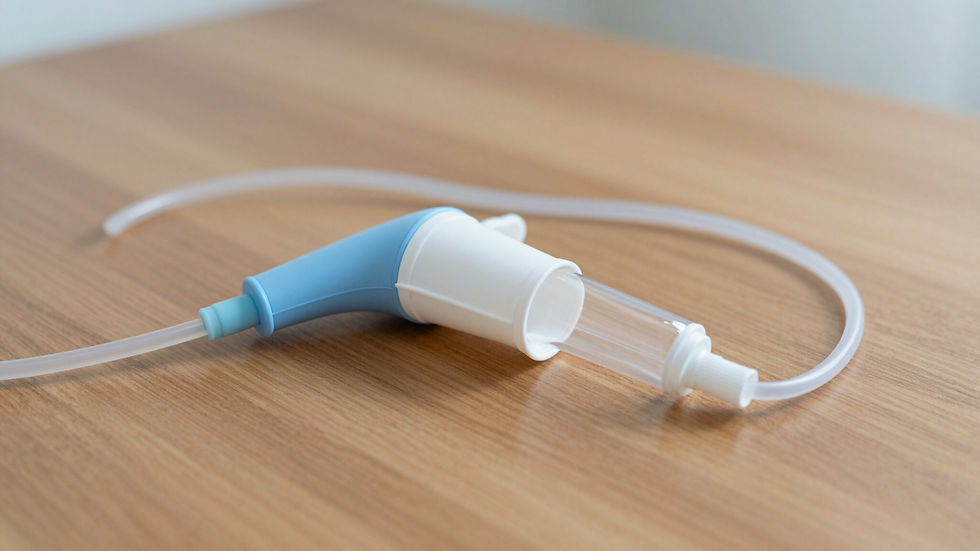
Artificial Kidney
Get a simple look at how the dialysis machine and filter act like an artificial kidney to clean your blood and remove extra fluid.

Daily Questions
Have everyday questions about dialysis? Explore real-life tips and answers to the concerns patients and families bring up most often.

Trying to find an answer? Message our educators.
Kidney Koalition provides educational tools to help you talk with your doctor. We are not a medical provider and cannot replace your professional care team.

Dialysis Education Center
Learning the Basics
Why are different needles needed
A specific needle size is chosen based on how fast the doctor wants your blood to be cleaned. Larger needles allow blood to flow more easily, helping the machine do its job better and faster.
What determines my machine cleaning speed
Your doctor sets the speed of the blood pump so that enough blood is washed by the filter during your session. A steady, set speed ensures that your body gets the right amount of cleaning each time.
Why is the treatment so long
The machine needs time to gently pull waste and extra water from your blood. Taking it slow prevents you from feeling sick and keeps your heart from getting too tired during the process.
Why does the machine make noise
Alarms are built-in safety checks. They beep to let staff know if you need to move your arm or if a tube is bent. Most noises are just the machine asking for a small, quick adjustment.
Why do I feel washed out after a session
Cleaning the blood and removing water is hard work for your body. Following your eating plan and staying for your full treatment time can help keep your energy levels more stable afterward.
Why limit how much water is removed
Taking off too much fluid too fast can make your blood pressure crash. This causes cramps or dizziness. It is much safer for your heart when the machine removes water slowly and steadily.
What is my goal weight
Your target or 'dry' weight is what you weigh without any extra water in your body. The goal is to reach this weight by the end of each session so your heart stays strong and healthy.
Why does my nurse change my settings
Your settings are updated based on your monthly lab results and how you feel day-to-day. Your team makes these changes to ensure your treatment is as comfortable and safe as possible.
What is the filter
The dialyzer is a plastic cylinder that acts as an artificial kidney. Inside are thousands of tiny straws that catch waste and extra water while keeping your healthy blood cells safe.
Why do the filter sizes look different
Everyone is built differently, so treatments are customized. A larger filter has more space to clean the blood. Your doctor picks the size that is just right for your body’s specific needs.
Difference between natural and plastic connections
A fistula is a natural connection using your own blood vessels, which is best for long-term health. A graft uses a soft tube to connect them if your natural vessels are not strong enough.
Need help with your care
Kidney Koalition is for education only. In an emergency, call 911 or your doctor immediately. This site is not a substitute for advice from your medical care team.